Brussels Travel Guide: Uncover the City’s Rich Heritage, Iconic Sights, and Culinary Treasures
Brussels, the capital of Belgium and the de facto capital of the European Union, is a city where history and modernity coexist harmoniously. Known for its stunning architecture, rich heritage, and culinary delights, Brussels offers a plethora of experiences for every traveler. This guide will help you navigate the city’s neighborhoods, iconic landmarks, cultural attractions, dining options, and practical travel tips to ensure you make the most of your visit.
Key Neighborhoods to Explore
Brussels is made up of several distinct neighborhoods, each with its own charm and character.
– **The Historic Center**: This is where you’ll find the famous Grand Place, a UNESCO World Heritage site, surrounded by opulent guildhalls and the Town Hall. The area is bustling with cafes and shops, making it a great starting point for your exploration.
– **Sablon**: Known for its antique shops and art galleries, Sablon is a cultural hub. Don’t miss the Church of Our Blessed Lady of the Sablon, a stunning Gothic church, and the nearby Place du Grand Sablon, perfect for a leisurely stroll.
– **Saint-Géry**: A vibrant neighborhood that comes alive at night, Saint-Géry is filled with bars and restaurants. The square is a popular gathering spot, especially during the summer months when outdoor seating is plentiful.
– **Ixelles**: This multicultural neighborhood is known for its diverse food scene and lively markets. The Flagey area is particularly popular for its Art Deco architecture and cultural events.
– **European Quarter**: Home to the EU institutions, this area is a blend of modern architecture and green spaces. Visit the Parc Leopold and the nearby Berlaymont building for a taste of Brussels’ political heart.
Iconic Landmarks and Cultural Attractions
Brussels is home to numerous iconic landmarks and cultural attractions that reflect its rich history.
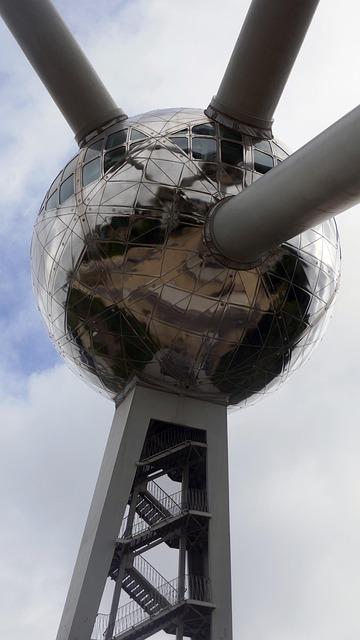
– **Atomium**: This unique structure, built for the 1958 World Expo, resembles an iron crystal magnified 165 billion times. Visitors can explore its spheres for panoramic views of the city and exhibitions on science and design.
– **Manneken Pis**: A quirky symbol of Brussels, this small bronze statue of a urinating boy is a must-see. The statue is often dressed in costumes, and there are many legends surrounding its origin.
– **Royal Palace of Brussels**: The official palace of the King and Queen of the Belgians, the Royal Palace is open to the public during the summer months. The surrounding park is a lovely spot for a picnic.
– **Magritte Museum**: Dedicated to the works of surrealist artist René Magritte, this museum houses the largest collection of his paintings. It’s a must-visit for art lovers.
– **Musical Instruments Museum**: Housed in a stunning Art Nouveau building, this museum features a vast collection of musical instruments from around the world. The audio guides allow visitors to hear the instruments in action.
Culinary Treasures and Dining Recommendations
Brussels is a food lover’s paradise, offering everything from rich chocolates to savory waffles and beer.
– **Chocolateries**: Don’t miss the chance to sample Belgian chocolates. Visit Pierre Marcolini or Neuhaus for exquisite artisanal chocolates.
– **Waffles**: Try a traditional Belgian waffle at Maison Dandoy, where you can choose between Brussels-style (light and crispy) and Liège-style (chewy and caramelized).
– **Moules-frites**: This classic dish of mussels served with fries is a must-try. Head to Chez Léon, a local favorite, for a delicious serving.
– **Beer**: Belgium is famous for its beer, and Brussels has many excellent bars. Delirium Café boasts an extensive selection of over 2,000 beers.
– **Local Markets**: Explore the Marché du Midi for fresh produce and local delicacies every Sunday, or the Flagey Market for artisanal goods and street food on Saturdays.
Nightlife and Hidden Gems
Brussels has a vibrant nightlife scene, with options ranging from cozy pubs to lively clubs.
– **Pubs**: Visit the historic Delirium Café for a lively atmosphere and vast beer selection. For a more laid-back vibe, try Le Roy d’Espagne, located on the Grand Place.
– **Clubs**: If you’re in the mood to dance, check out Fuse, one of the city’s most famous nightclubs, known for its electronic music scene.
– **Hidden Gems**: Explore the lesser-known neighborhood of Marolles, where you’ll find vintage shops, the daily flea market at Place du Jeu de Balle, and charming street art.
Transportation Tips
Getting around Brussels is easy, thanks to its efficient public transport system.
– **Metro and Trams**: The Brussels Metro is clean, safe, and runs frequently. Purchase a day pass for unlimited travel on the metro, trams, and buses.
– **Biking**: Consider renting a bike through the Villo! bike-sharing system. Brussels is becoming increasingly bike-friendly, with dedicated lanes and routes.
– **Walking**: Many of the city’s attractions are within walking distance of each other, especially in the historic center. Strolling through the streets allows you to soak in the architecture and atmosphere.
Accommodation Options Across Budgets
Brussels offers a wide range of accommodation options to suit every budget.
– **Luxury**: The Hotel Amigo and The Dominican are excellent choices for luxury stays, offering upscale amenities and prime locations.
– **Mid-Range**: Consider the MEININGER Hotel Brussels City Center or the Hotel Metropole for comfortable stays without breaking the bank.
– **Budget**: For budget travelers, hostels like Jacques Brel Youth Hostel or budget hotels like Ibis Styles Brussels Centre are great options.
Best Times to Visit
The best times to visit Brussels are during the spring (April to June) and fall (September to October) when the weather is mild, and the city is less crowded. Summer is peak tourist season, with many festivals and events, but be prepared for larger crowds.
Notable Seasonal Events and Local Customs
Brussels hosts several seasonal events worth experiencing:
– **Brussels Flower Carpet**: Every two years in August, the Grand Place is adorned with a stunning carpet of flowers.
– **Christmas Markets**: From late November to early January, the city transforms into a winter wonderland with festive markets, lights, and seasonal treats.
– **Carnival of Brussels**: Held in February, this lively event features parades, music, and traditional costumes.
Local customs include a strong appreciation for good food and drink, so don’t hesitate to join locals for a leisurely meal or drink.
Safety Tips
Brussels is generally safe for tourists, but it’s wise to take standard precautions:
– Be aware of pickpockets, especially in crowded areas.
– Keep your belongings secure and avoid displaying valuables.
– Stick to well-lit areas at night and be cautious when using public transport late.
Day Trips Nearby
If you have extra time, consider these day trips from Brussels:
– **Bruges**: Just an hour away by train, Bruges is a picturesque medieval city known for its canals and chocolate shops.
– **Ghent**: Another charming city with a rich history, Ghent is famous for its medieval architecture and vibrant cultural scene.
– **Antwerp**: Known for its diamond district and fashion scene, Antwerp offers a mix of history and modernity, just a short train ride from Brussels.
In conclusion, Brussels is a city that captivates with its blend of history, culture, and culinary delights. Whether you’re wandering through its historic streets, indulging in local dishes, or exploring its vibrant neighborhoods, Brussels offers an unforgettable experience that will leave you wanting to return.